




The Environment is protected
- Boldwater uses 100 % natural microbial materials and nutrients
- Our processes are EPA and TxRRC* permitted and vetted
- Permitted process assure waste is handled properly and documented thoroughly
Well site operates without interference
- Site planning is simple and efficient
- Bio-Remediation steps are completed within hours of achieving Total Depth
- Recycling steps include regulatory testing by third party labs
- Remediation and recycling is performed at either the well site or a centralized location
- No trucking, coordination or liability associated with handling the waste (eliminates 25 – 30 trucks)
Costs reduced
- The Boldwater value proposition is less expensive than disposal trucking and dumping fees
- Recyclable Material has value and beneficial use (no longer an oil and gas waste)
- Recycling demonstrates beneficial reuse
- Permitted recycling eliminates environmental liabilities
Other Benefits
{slider title="Other Direct Benefits" open="false" class="icon"}
- Eliminates use of third party Disposal Sites
- Provides a reliable alternative to on lease burial
- Eliminates landowner and operator environmental liabilities
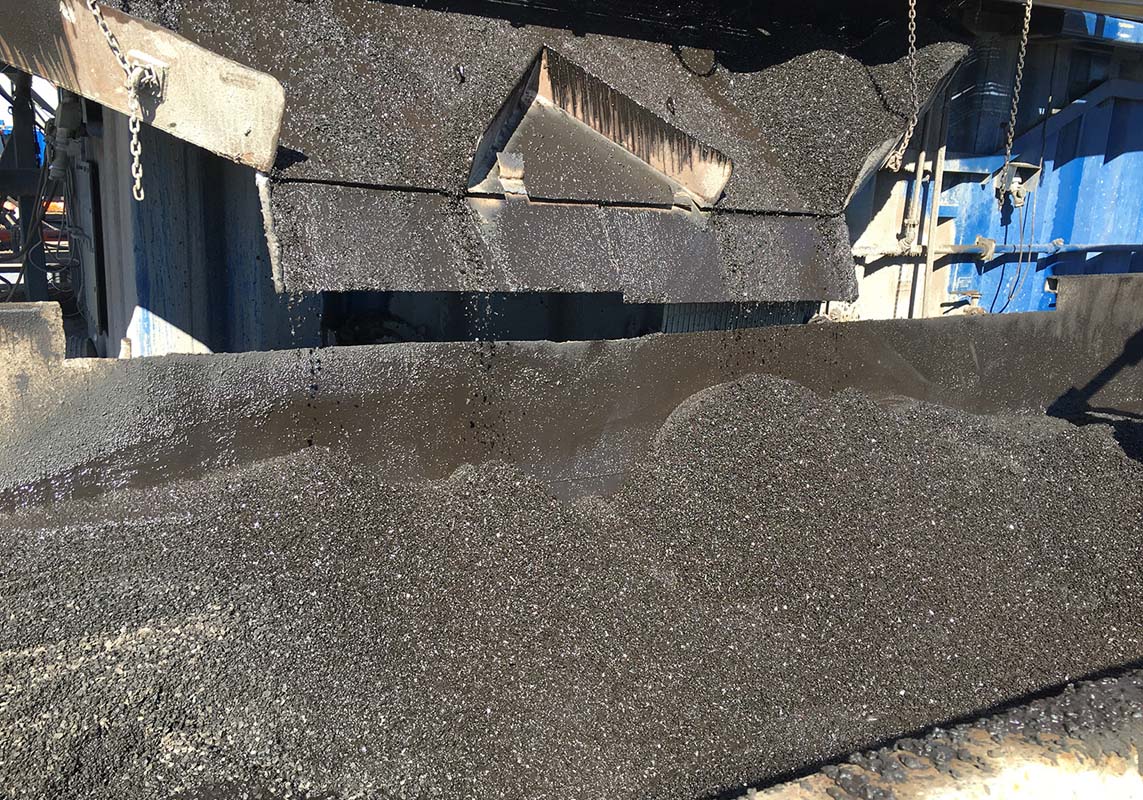
- Provides a beneficial TxDOT approved Class 1 or 2 base material for on-lease use or for county roads
{slider title="Additional Benefits" class="icon"}
- Thorough degradation of hydrocarbon compounds in a relatively narrow time window
- Decomposition occurs simultaneous along multiple paths
- Natural microbes and micronutrients are toxin resistant
- Reduced risk for operators with higher degree of safety
- Reduced labor and equipment costs compared to traditional disposal and handling
- Removes truck traffic from county and lease roads
- Avoids trucking costs and associated risks
- Avoids Disposal site fees and future environmental risks
- Takes direct control of solid waste material
- Eliminates reliance on third party disposal processes and management
- Avoids burial cost and landowner fees
- Has NO potential of future environmental fines
- Third party lab testing confirms remediation treatment
- End result is high quality TxDOT approved road base material for reuse
- Liabilities eliminated in regards to the waste material
{slider title="Additional Benefits of Natural Organic Fertilizer Used by Boldwater" class="icon"}
- Aid in replenishing and maintaining long-term soil fertility by providing optimal conditions for soil biological activity
- Suppress pathogenic soil organisms
- Degrade toxic organic chemicals
- Stimulate microbial activity around the root system significantly increasing the root mass and improving plant health
- Increase the available nitrogen for plants far in excess of their own content by stimulating the growth of natural soil microorganisms. These soil microorganisms metabolize nitrogen from the air to multiply. When they die (some microorganisms have a life-span of less than 1 hour) the nitrogen is then released to the soil in a form that is readily available to the plants
- Interact with other soil organisms and biodegradable components in the soil to supply essential nutrients such as nitrogen, phosphorus, calcium, copper, molybdenum, iron, zinc, magnesium and moisture to the plants
- Aid in manganese absorption by plants. Manganese is thought to play a significant role in both disease resistance and plant growth
- Increase crop yields by both enhanced growth and by protection because enhanced plant growth is accompanied by reduced stress and improved disease resistance
- Initiate and accelerate the natural decomposition of crop residue turning it into humus
- Effectively control incidents of fungal disease including pathogens on fruits and vegetables
- Provide protection against diseases associated with numerous fungi. In some environments, they produce peptides which inhibit the growth of fungi. In others, through a process known as mycoparasitism, they grow toward the hyphae of fungi, coil around them and degrade the cell walls
- Significantly increase yield and reduce incidents of disease in fruit, vegetables, root crops, flowers, trees, shrubs, turf, grain ornamental crops and more.
- Provide protection (directly or indirectly) against Collar Rots, Silver Leaf, European Canker, Damping Off, Root Infecting Fungus, Die Back, Dead Arm Disease, etc.
- Improve soil porosity, drainage, and aeration, reduce compaction and improve the water holding capacity of the soil thereby helping plants resist drought and produce better crops in reduced moisture conditions. One estimate indicates that a 5% increase in organic matter quadruples the soils ability to hold and store water.
- Promote the break up of unproductive soil, turning it into a productive growing medium.
- Stimulate seed germination and root formation and growth.
- Promote improved drainage.
- Improve soil aeration.
- Increase the protein and mineral content of most crops.
- Produce thicker, greener and healthier crops.
- Produce plants with increased sugar flavor and nutrient content.
- Improve seed germination.
- Reduce input costs.
{/sliders}